Developing story
Sudan crisis response
How MSF is responding to one of the world’s largest humanitarian crises.

Developing story
How MSF is responding to one of the world’s largest humanitarian crises.
November 4, 2026 — The war in Sudan has led to a breakdown in immunization, with devastating consequences for people’s health, according to a new report by Doctors Without Borders/Médecins Sans Frontières (MSF). Since the beginning of 2024, MSF teams have treated tens of thousands of patients with vaccine-preventable diseases such as measles and pertussis across Sudan’s Darfur region. MSF urges the Sudanese health and political authorities to lift administrative blockages preventing vaccines from entering Darfur.
As the war in Sudan continues into its fourth year, fighting between the Sudanese Armed Forces (SAF), the paramilitary Rapid Support Forces (RSF), and their respective allies continues to endanger lives and uproot communities facing one of the world’s largest humanitarian crises.
Since the fighting broke out in April 2023, Doctors Without Borders/Médecins Sans Frontières (MSF) teams have been responding to the medical and humanitarian consequences in hospitals, clinics, and camps across the country. Our teams provide surgical and emergency care, malnutrition treatment, maternal and pediatric care, mental health support, vaccination, and other critical services people urgently need.
We also support Sudanese refugees and returnees in Chad and South Sudan, where many live in dire conditions and have limited access to basic needs like food and water.
emergency room presentations between January and September 2026
vaccinations between January and September 2026
outpatient consultations provided between January and September 2026
The suffering in Sudan is not just a humanitarian crisis — it’s a political failure on a collective global scale. The humanitarian response is underfunded, deprioritized, and stalled by a lack of political will, both internationally and within Sudan. Influential international actors must urgently apply diplomatic pressure on those financing, arming, or politically supporting the warring parties in Sudan. All responsible parties must uphold their obligations under international humanitarian law.
The war in Sudan has created one of the biggest humanitarian and displacement crises in the world, but it is receiving little international attention. Warring parties and their allies are inflicting severe suffering, attacking and killing civilians in blatant disregard of international humanitarian law. Both the SAF and RSF have attacked civilians and humanitarian and medical aid, while the country’s health system, already fragile before the conflict started, is struggling to cope with the medical needs under overwhelming pressure. A massive scale-up of aid is crucial but has failed to materialize. Here's what to know:
The war in Sudan has forced 11 million people to flee their homes since it started in April 2023, including more than 6.4 million internally displaced and 4.6 million who have fled to other countries like Chad, South Sudan, and Egypt.
Sudan’s health system is operating under extreme strain, bearing the weight of more than three years of war and its medical consequences. Shortages of essential medicines, staff, and medical equipment are compromising the quality of care and limiting the ability of health care facilities to respond to growing needs. But for many communities, even primary health services are becoming increasingly difficult to access, let alone specialized care.
Survivor testimonies and MSF medical data indicate widespread, systematic attacks primarily affecting women and girls, who then face significant barriers to care, including stigma and limited protection services. Impunity, displacement, collapsing community support systems, lack of access to health care, and gender inequalities allow these abuses to continue across the country.
Our teams in Sudan are witnessing the immediate impacts of international humanitarian funding cuts and disruptions, including on medical services for refugees, water provision, sexual and reproductive health services, and mental health programs, as well as shortages of food and nutritional supplements. Hospitals are closing, with threats of further shutdowns, and an increasing number of patients are struggling to access care as the remaining facilities become increasingly overburdened. MSF urges the donor community to increase their support and funding for Sudan to sustain a humanitarian response.
MSF has more than 2,000 staff working in 10 of Sudan’s 18 states. We run two hospitals and two clinics, and support an additional 14 hospitals and 26 primary health care centers. Between January and September 2026, our activities included:
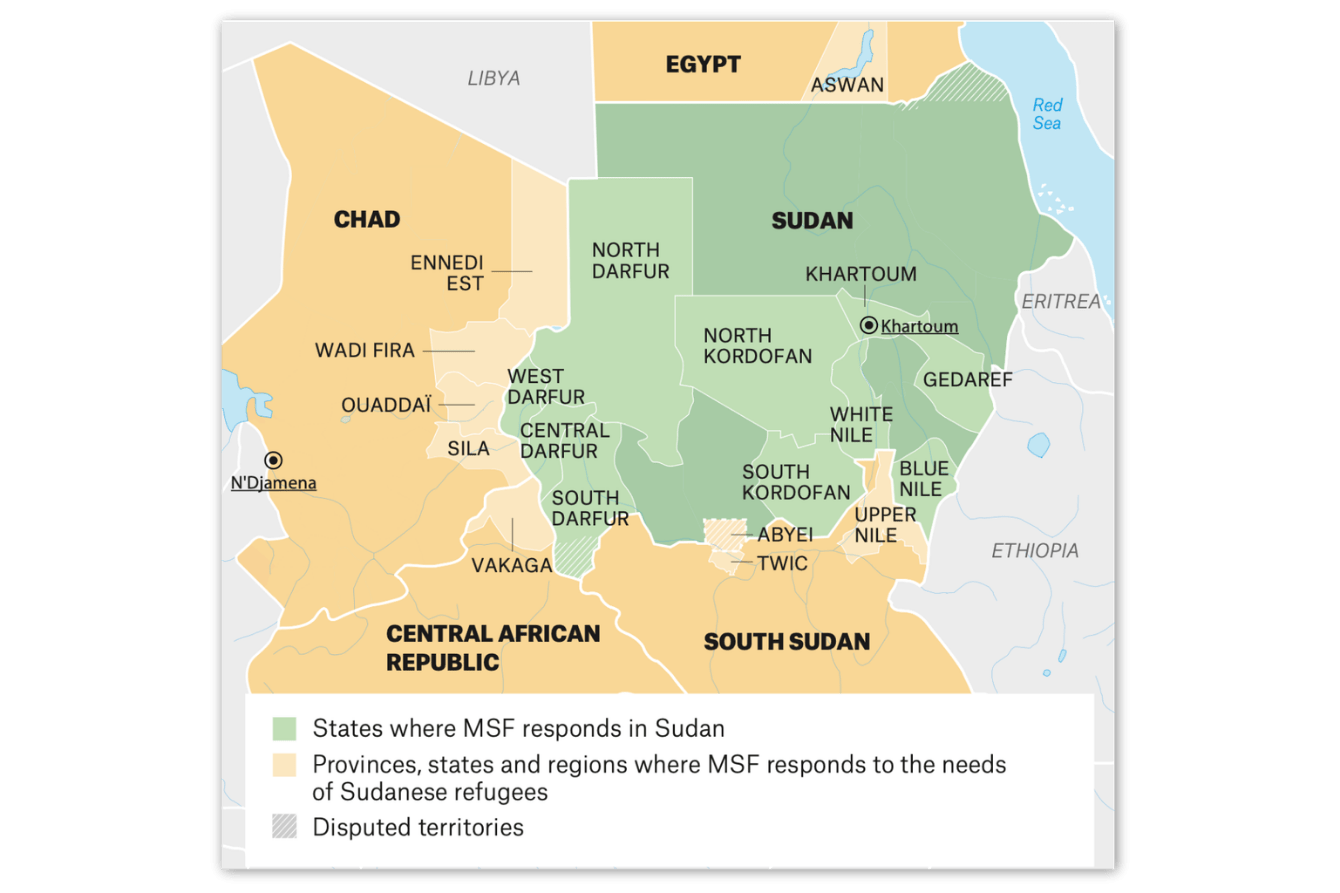
In Khartoum state, MSF continues to deliver essential medical services at four major hospitals and primary health centers. Our teams support emergency and surgical care, maternal and pediatric services, treatment for infectious diseases and malnutrition, and epidemic response activities throughout Omdurman, Khartoum city, Bahri, and Jabal Awliya.
MSF runs the malnutrition ward at the main hospital in Blue Nile state; other activities include responding to epidemics, providing mental health support, conducting health promotion, and supporting primary health care in camps for displaced people. In Karama camp, which currently hosts over 170,000 displaced people, MSF provides outpatient care, reproductive health services, health promotion, environmental health activities, and support for the provision of safe drinking water and vector control measures to prevent the transmission of insect-borne diseases.
In Gedaref state, MSF helps ensure access to emergency care, outpatient and inpatient care, maternity services, and treatment for chronic and infectious diseases, including cholera. Our teams in Gedaref also work in camps for displaced people, supporting their access to health care. We also run two projects treating people for kala azar, as Gedaref is a global hotspot for the disease. In Um Rakuba camp, which hosts 17,000 refugees, MSF runs a hospital providing comprehensive health care including care for malnutrition and tuberculosis (TB), vaccinations, and referrals.
In White Nile state, our teams focus on emergency preparedness and response, strengthening community surveillance, and supporting referral pathways to help people reach care quickly during outbreaks. We also support two rapid response teams with investigations of potential disease outbreaks, early diagnosis, and case management or referrals to health facilities.
In North Kordofan, following months negotiating access with the authorities, MSF launched an emergency response in El Obeid, the state’s capital, in January. This followed an assessment conducted in late 2025, which identified huge health and humanitarian needs. Since July, we have been trucking water in the city’s two largest displacement camps (Al Mina and Khor Taggat). Since October, we have also been supporting the maternity hospital, focusing on emergency room, obstetric, and neonatal services.
In South Kordofan, MSF has launched an emergency intervention based in Abu Jubeiha in response to waves of displaced people moving through the town. Our teams are focusing on environmental health and vaccination activities in displacement sites. The team is also rehabilitating the hospital’s emergency department. MSF will form an integral part of the state’s outbreak response.
In Central and West Darfur states, MSF supports five hospitals and a primary health care center with a comprehensive package of care adapted to each location, including in Foro Baranga, Zalingei, and El Geneina. We are also working in Rokero, a hard-to-reach area in the northern Jebel Marra Mountains, an area controlled by SLA-AW, an armed group that has declared itself neutral. MSF teams in hospitals provide emergency and inpatient services, maternity care, treatment for malnutrition and common childhood illnesses, responses to cholera and measles, mental health support, and assistance for survivors of sexual violence, among other activities. In some areas, MSF also provides surgery and supports outpatient consultations to expand access to health care for remote communities. In July, MSF started working in Mukjar, focusing on emergency room support, outpatient care, inpatient therapeutic care for malnutrition, and referrals.
In North Darfur state, reported drone strikes have intensified in recent months, including attacks affecting the towns of Tina and Karnoi, further increasing risks for civilians and complicating humanitarian access. After suspending activities in Zamzam camp in February 2025, MSF shifted its focus to emergency assistance in Tawila, where we operate a 200-bed hospital providing emergency, maternal, pediatric, mental health, nutritional, and surgical care in an area with 600,000 to 800,000 displaced people. The facility has a general outpatient department, including a nutrition clinic. We also distribute water and provide care for survivors of sexual and gender-based violence. Our teams play a critical role in responding to outbreaks, including cholera and measles. MSF is currently the only organization with the operational capacity to mount a large-scale epidemic response in the area.
In South Darfur state, very few international organizations are present and access to health care is severely constrained. MSF supports Nyala Teaching Hospital with pediatric emergency and inpatient care, neonatology, and inpatient malnutrition treatment for severely malnourished children with complications. We also provide primary health care, nutritional support, care for survivors of sexual violence, sexual and reproductive health care, and other community-based services in and around Nyala, including areas hosting displaced people. In Kas and South Jebel Marra, MSF supports hospital and primary health care services, including emergency care, pediatric and maternal care, nutritional support, care for survivors of sexual violence, and sexual and reproductive health care, as well as outreach activities in remote communities.
MSF has played a significant role in revitalizing water systems in South Darfur by repairing infrastructure, including water networks that were heavily damaged during active fighting and community-based hand pumps. MSF also has an emergency unit in Darfur to respond to urgent crises such as disease outbreaks and to provide critical services to people who are newly displaced.
The war has had catastrophic consequences for people’s health, with food insecurity, widespread sexual violence, and recurring disease outbreaks raising the health risks and putting further pressure on hospitals facing critical supply and staffing shortages. At the same time, bureaucratic restrictions and administrative barriers hinder the ability of humanitarian organizations like MSF to reach people in need.
MSF has been present in Sudan since 1979, witnessing historic changes and escalating needs in response to the rapid shifts in the country’s political and social dynamics, which in turn impact health needs.
Our intervention began shortly before the Second Sudanese Civil War (1983-2005), which was fought primarily between the north and south of Sudan and was one of Africa's longest civil wars. MSF was actively involved in providing medical care to war-affected communities dealing with massive displacement, famine, and the outbreak of diseases. With the independence of South Sudan in 2011, MSF continued operations in both countries, adapting to the shifting dynamics of conflict and the division of resources.
When the war broke out in April 2023, many activities were either stopped or shifted to respond to the emerging needs and emergencies across the country. Some activities continued—in Darfur, for example—thanks to the efforts of our locally hired MSF staff, who continued to work despite the extremely difficult personal and environmental circumstances.
MSF provides medical care to anyone who needs it, regardless of race, religion, or political affiliation. We are calling on all parties to the conflict to ensure the safety of civilians, medical facilities, and personnel. Hospitals must remain a sanctuary for people seeking care.
To facilitate our humanitarian and medical work, we speak to all parties to the conflict to request safe, rapid, and unimpeded access to civilians who require medical care and to ensure the safety and security of our staff. This is why our independence and impartiality are essential to our work in all the places we operate across the globe.
MSF activities between January and September 2026
476,217 outpatient consultations
149,970 emergency presentations
363,151 vaccinations
39,885 admissions to inpatient and outpatient therapeutic feeding centers for malnutrition
10,120 surgical procedures
32,479 deliveries
30,058 individual mental health consultations
3,775 sexual violence cases
92,431 hospitalizations
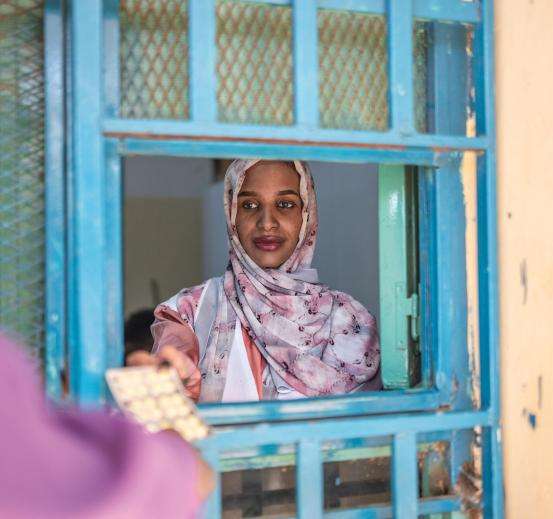
During his visit to Khartoum, MSF International President Javid Abdelmoneim highlights the humanitarian crisis in Sudan, his personal experience as an emergency doctor there, and the need for more international support.
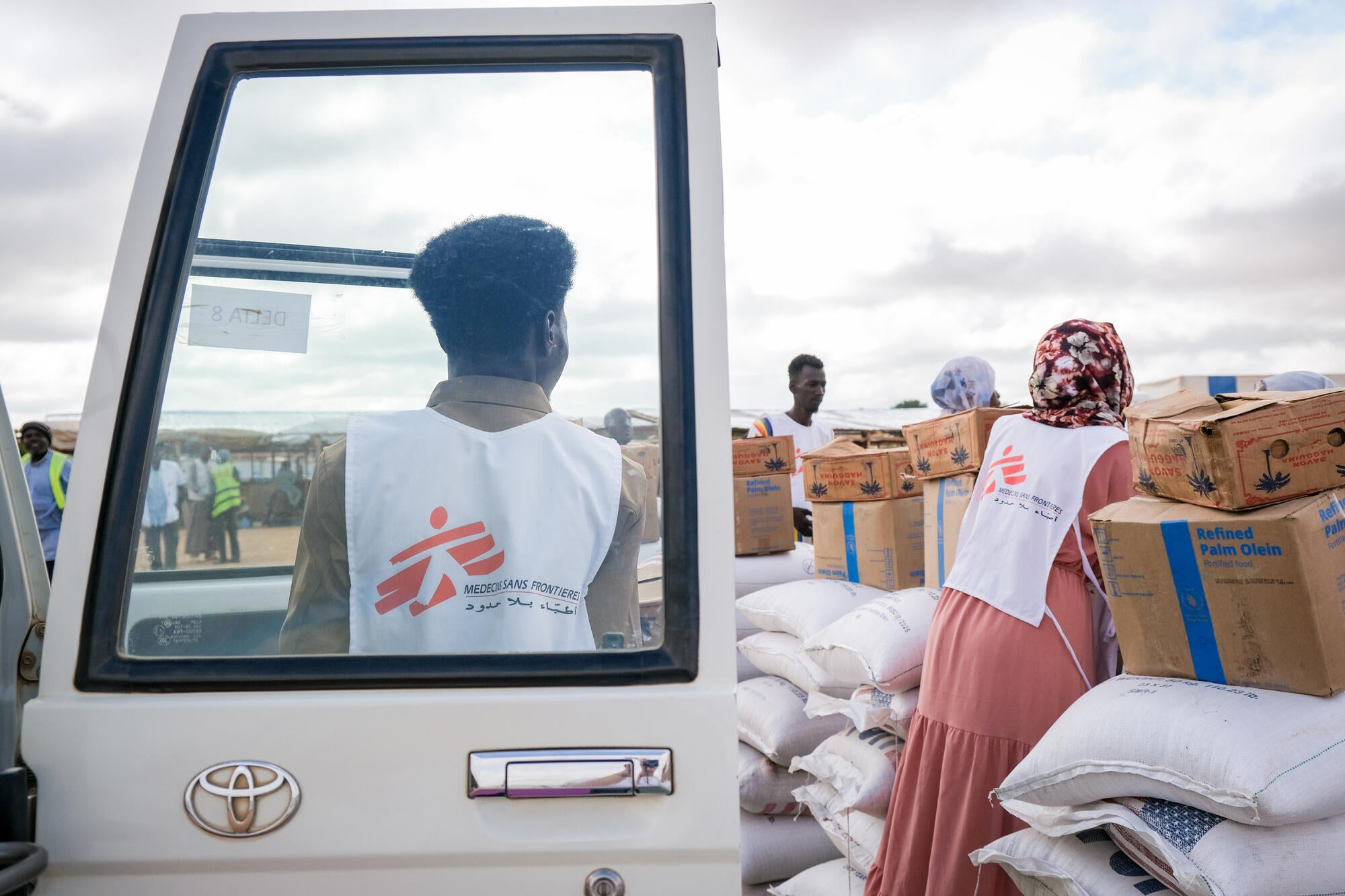
Over the past three years of war, nearly a million people have fled Sudan into neighboring Chad, including 700,000 who have crossed through the border town of Adré alone. Many arrive in fragile condition after undertaking the long and dangerous journey from Sudan’s Darfur region and require immediate assistance. More than 80 percent of those fleeing to Chad are women and children.
In border areas like Adré, what were initially intended as temporary reception sites have evolved into large, long-term settlements where thousands of people are living in precarious conditions and rely on humanitarian support. Many of the places refugees are living in Chad already had limited access to essential services, and the arrival of large numbers of refugees has only compounded the pressure. In Metché camp in eastern Chad, where MSF and Action Contre la Faim are the only health care providers, only 8 liters (slightly more than 2 gallons) of water are available per person daily — well below the 20-liter (5.3 gallons) emergency minimum. This has forced families to drink directly from unsafe water sources. Consequently, the number of patients with diarrhea surged from 634 in the first half of 2025 to 1,044 in 2026.
MSF teams work in camps across eastern Chad, including Adré, Metché, and Aboutengue, helping to fill critical gaps in health care and access to water and sanitation. We provide medical services including vaccination, trauma care, malnutrition treatment, maternal care, and treatment for diseases like malaria and cholera. We also support water and sanitation by drilling boreholes, constructing latrines, and distributing clean water.
Since April 2023, more than 1.3 million refugees and returnees have fled across Sudan’s southern border into South Sudan, a country unprepared to absorb such large numbers of people. Many end up at the Renk transit site, located on the border, which was intended to be a temporary stopover for people fleeing the war but has become a sprawling settlement, with poor living conditions and limited access to services. With much of the country facing ongoing insecurity, attacks on health care, intercommunal violence, flooding, and economic decline, the humanitarian situation is deteriorating further.
Health facilities are struggling to cope with such a massive and sustained influx of displaced people. In 2025 alone, MSF opened 12 emergency projects in response to cholera outbreaks, malaria peaks, flooding, and displacement linked to violence — more than double the number of emergency responses launched in 2024.
Following the eruption of war in Sudan, MSF launched a project in Renk in May 2023. Our teams support Renk Hospital's pediatric, nutritional, and maternity services; respond to disease outbreaks and massive influxes of wounded people; and run mobile clinics in refugee settlements scattered throughout Renk County.
November 04 10:45 AM
MSF urges funding for vaccinations and the lifting of import restrictions as measles and other vaccine-preventable diseases spread.
Read more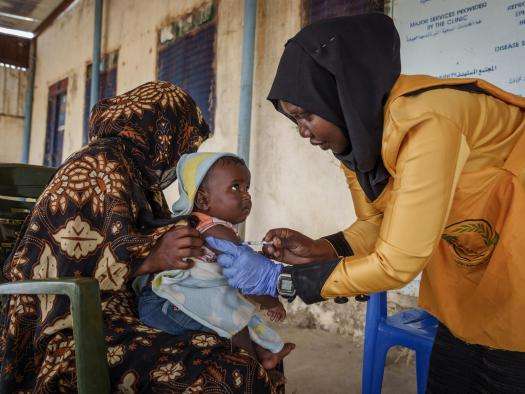
October 27 11:38 AM
At least 36 people were killed and 150 were injured in strikes by the Sudanese Armed Forces on October 26.
Read more
September 08 09:35 AM
Dried-up funding is forcing medical facilities to close, collapsing an already fragile health system, and overwhelming remaining hospitals.
Read more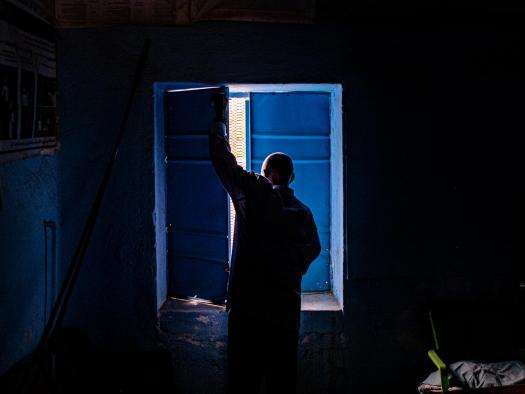
July 15 10:38 AM
Drone strikes have hit schools, a market, fuel stations, water points, and the main power station of El Obeid, a city of half a million people.
Read more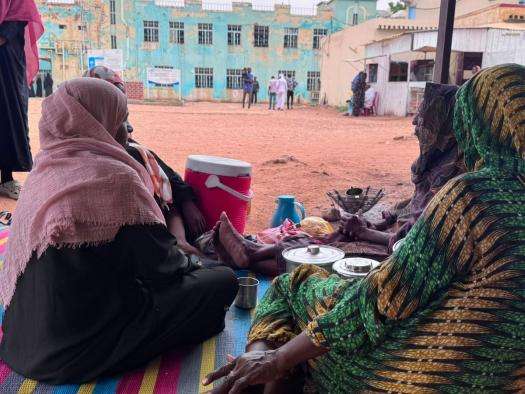
June 04 10:06 AM
Teams at Tiné Hospital are receiving patients with severe wounds, burns, and trauma following intensified, increasingly frequent drone strikes.
Read more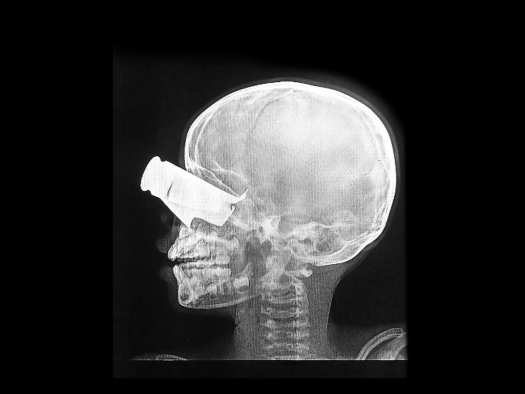
May 18 12:30 PM
The global strategy to make sure people everywhere have access to the vaccines they need is failing to adequately avert preventable disease in conflict-affected areas.
Read more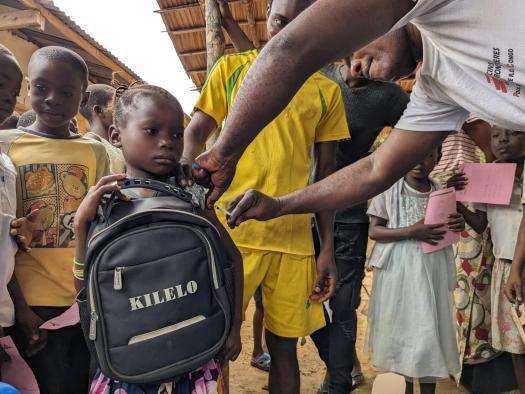
Some humanitarian crises make the headlines—others don’t. Unrestricted support from our donors allows us to mobilize quickly and efficiently to provide lifesaving medical care to the people who need it most, whether those needs are in the spotlight or not. And your donation is 100 percent tax-deductible.